
Indonesian Summary and Reflections
A summary of Alan and Rose's Indonesian adventures from 1976 and selection of photos
Editor’s Note: Hi everyone! Sincere apologies for the lengthy delay between entries. It is my goal to publish these diary entries twice a month at the least (we have many to come!), and what would help me prioritize the time to make this possible is if you could consider becoming a paid subscriber. Your contribution supports the work required to get the photos scanned, faded hand-written journals typed, and finally, the adventures shared to Substack.
For the most part, I’ve tried to leave my father’s diaries as he wrote them, aside from fixing minor spelling and grammatical errors. The tone of his writing takes us back to the 70s, where I imagine dad with notebook and pen in hand, scribbling away in between the day’s adventures. It gives me a nostalgia for the days before tourism became so overbearing, at a time when traveling on the cheap was really about ‘roughing it’ (though there are moments when Dad’s rather white-washed perspective causes cringe and his views often do not reflect my own.) The photographs are originals, scanned from slide negatives by my mother in order to preserve them and share with you all digitally. Whenever I am short of photos (they shot on slide after all!), I source from Creative Commons. Thanks for reading. - Angie (Rose and Alan’s daughter).
In writing this summary, I’ll just put different subjects under different headings.
People
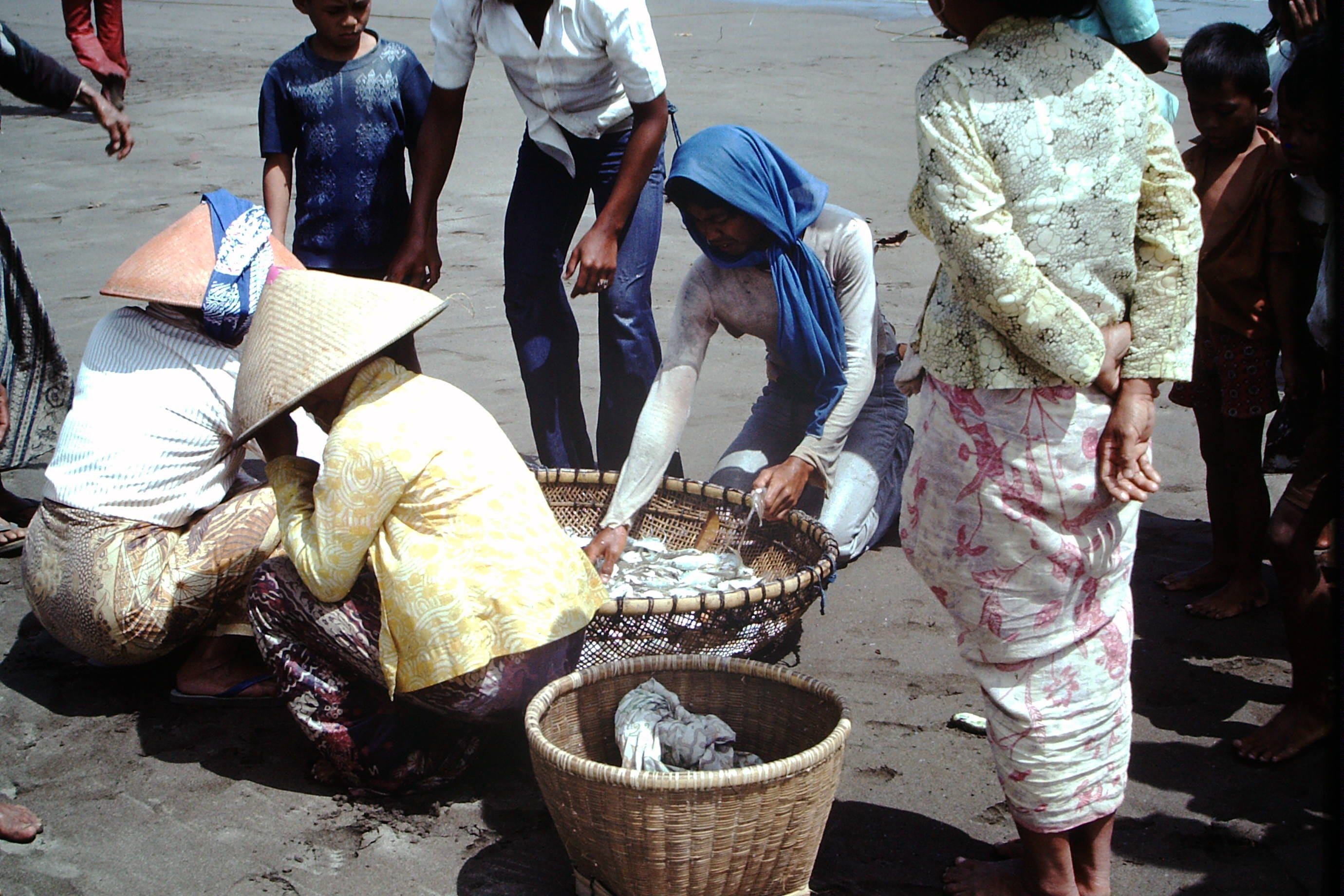
Indonesia is an amalgamation of hundreds of different islands and racial groupings—not really one country, but an empire. So people tend to vary from island to island, in fact, from town to town. However, I would describe the general appearance of Indonesians as being short, dark-skinned, black hair, flat nose, and eyes roundish like Europeans. A slim race—slender figures and hands, long eyelashes. As I have commented throughout this diary, the women are classically beautiful everywhere. Even in the smallest village, in back streets, there seems to be an endless stream of beauties.
Males on Bali are quite handsome, but in Java and Sumatra, only so-so. It’s in conduct where the people really seem to vary. Balinese are the best people by far—friendly, happy, helpful and generous. Though they are in constant contact with Western people, they haven’t let it unduly affect their lives or bastardised their culture. They will still shut their shops to stay home to entertain guests, as Dewa did in Ubud. Always laughing and gay—it rubs off on everyone. That’s why Bali is loved so much.
Into Java, people are still good, but more Westernised, especially in the cities, and a bit more reserved. The farmers and country people who have less contact with tourists tend to be curious and shy. In contrast to Bali, where the people are incredibly honest, in Java I always felt compelled to keep a close watch on our valuables or a hand on my money pocket while in a crowd.
Sumatra—pretty bad everywhere, except for the Minangkabau in Bukittinggi and the Batak in Toba. Taller, more strongly built, aggressive, rude, deliberately unhelpful and sometimes even a bit physical. This grizzle about Sumatrans doesn’t apply to the women, who, as everywhere else, are friendly, shy, and a little bit cheeky.
Religion
In Bali—Hindu. On paper, a different, mixed-up religion, but in practice quite wonderful. What keeps the Balinese people the way they are? Thousands of temples ranging in size from small household shrines to massive complexes like Besakil. Much pageantry and a variety of gods. Reincarnation is the essence of life after death. Priests are everyday types. Ask a Balinese his impression of heaven, and it’s an exact replica of his own island.
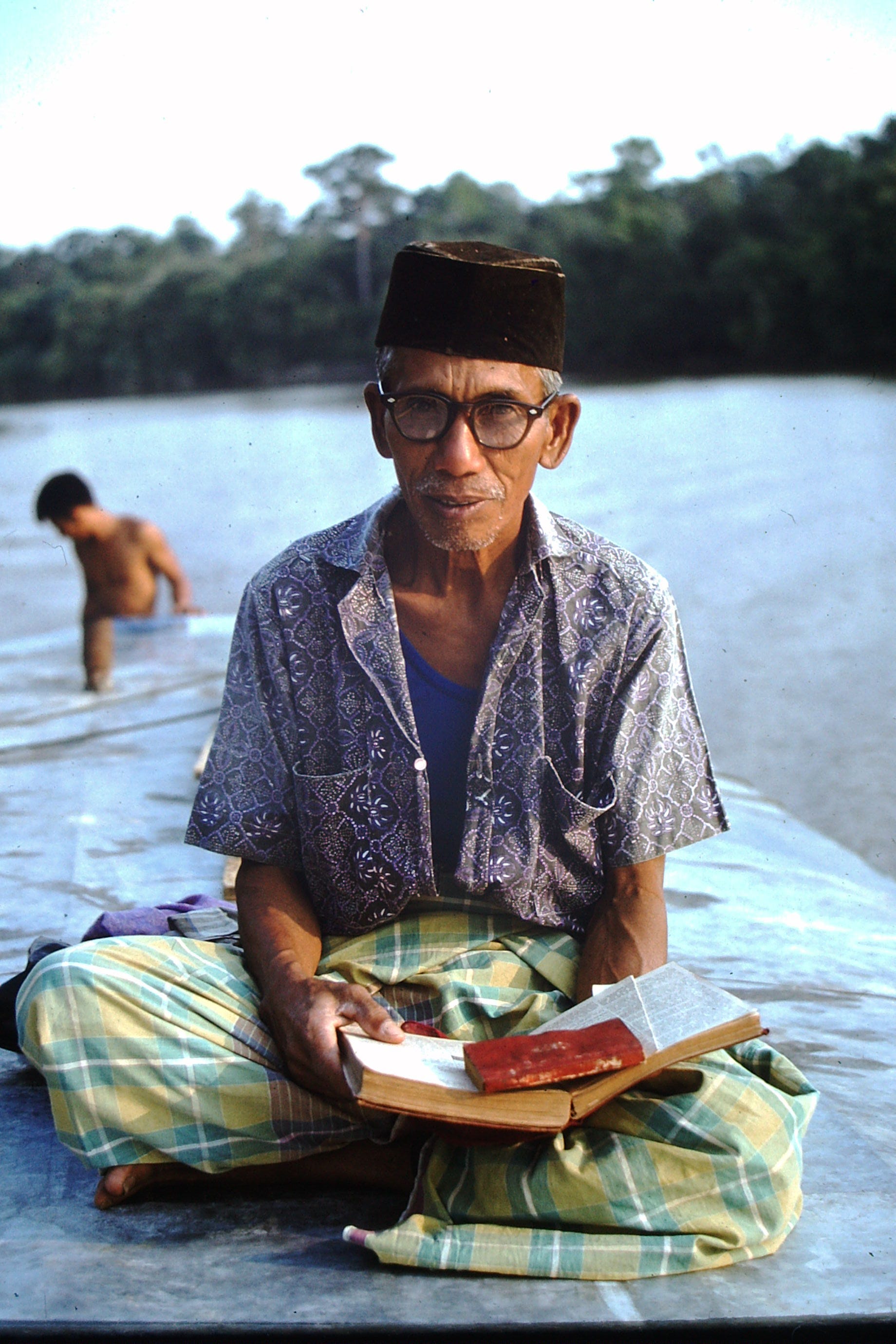
Java and Sumatra are mainly Muslim. A strict moral code amongst women (perhaps accounting for homosexuality and the feminism of some men?). A characteristic of Muslims tends to be physical contact. People in Sumatra tend to follow the religion more closely—for example, Ramadan is more strictly observed. The Muslim church is the mosque everywhere. Can’t say I ever saw a priest.
Christianity is seen here and there, practiced much the same way as in the West. Impressive churches and private schools. Christians seem to be well off, do well in business, and it’s an affluent religion in Indonesia.
Agriculture, Industry, Commerce
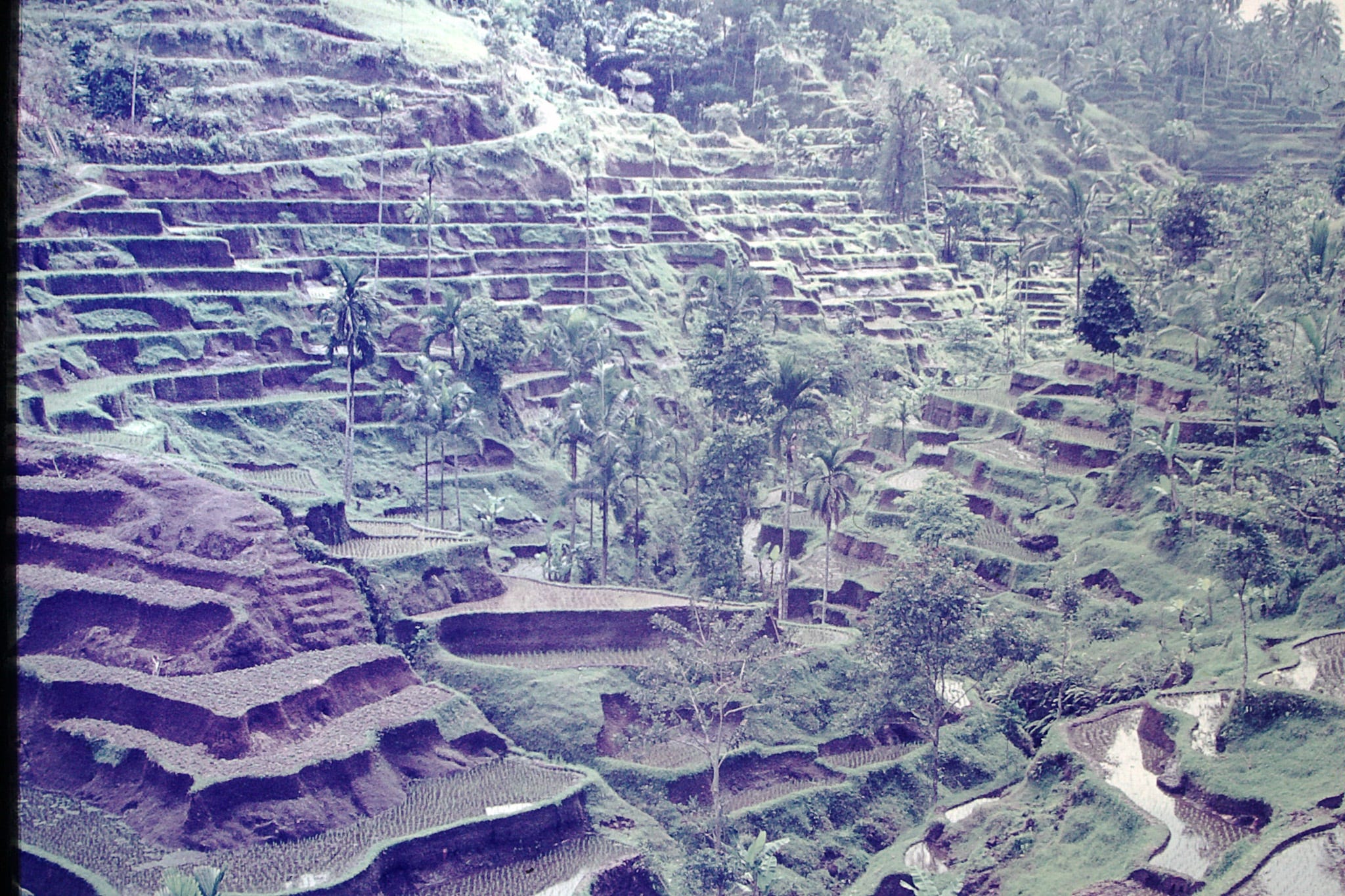
In agriculture, methods are very backward. Never saw a tractor anywhere. Man and animal are still the backbone of the physical labour. Soil tilled with hand tools, crops planted, tended, reaped, grain crushed—all manually. Rice is the basic crop, but multiple varieties of vegetables and fruit seen. Never ceased to amaze me, the amount of work that has gone into terracing hills and valleys for paddies.
Industry—I can’t really comment much, as the only place I saw many factories was in Java, and they seemed modern and new. Indonesia does seem to have little secondary industry though.
Commerce—banks, service always good, run on the same lines as in the West. Postal services were OK.
Transport
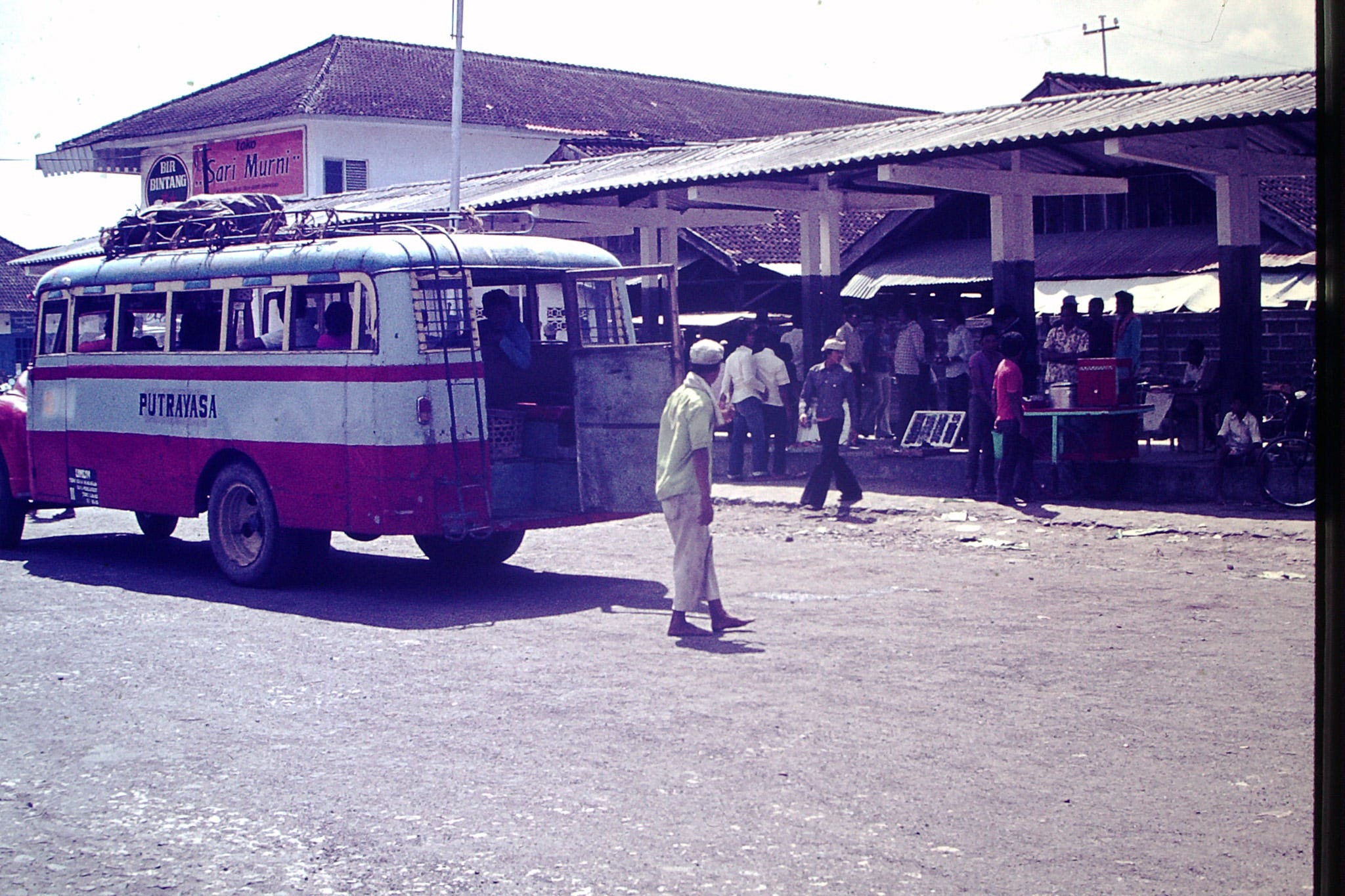
An interesting subject because it varies so much. In cities, there are becaks, dokas, three-wheeled bemos, motorbikes and sidecars, and taxis—ranging from new Volvos to old Citroëns. For intra-city travel, there are flash Mercedes buses, gaily painted Chevys, and clapped-out old jalopies kept going with wire and rubber bands. Also minibuses and large bemos with up to 25 people jammed in.
One characteristic of travel in Indonesia: public transport is uncomfortable. Seats always made for smaller people, and you inevitably have someone just about sitting on your lap.
Private transport for the locals is mainly motorbikes, scooters, pushbikes—very few cars. Because traffic consists mainly of diesel and two-stroke engines, cities are always badly polluted with exhaust fumes.
Climate
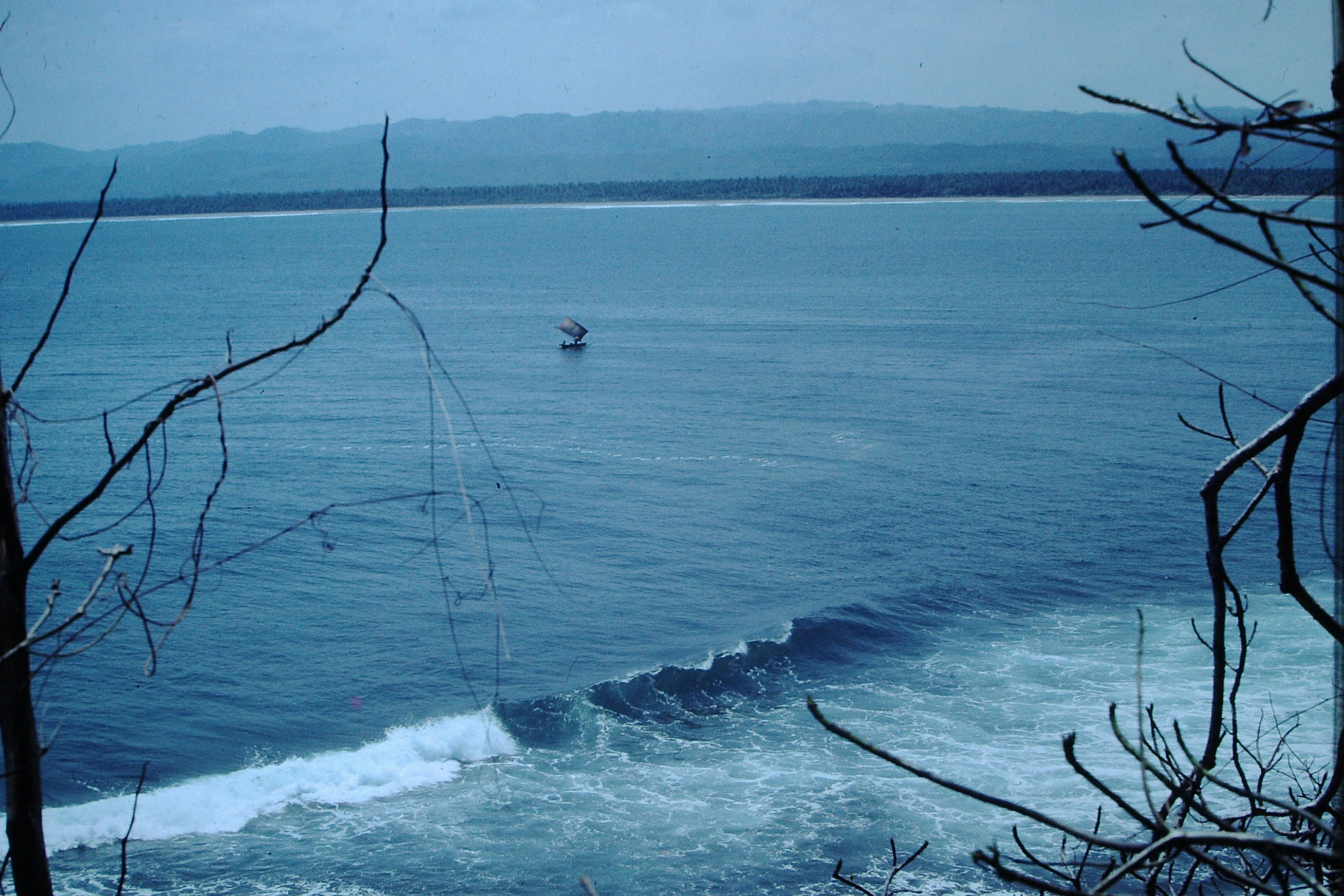
While we’ve been here, the weather has been good. At sea level, it’s usually hot and humid, and up in the mountains, mild to cool. On Bali—clear blue skies. Java and Sumatra—dull and hazy. About the only heavy rain we’ve had so far was here in Medan, and I think this is heralding the start of the rainy season. We’re leaving just in time.
Accommodation
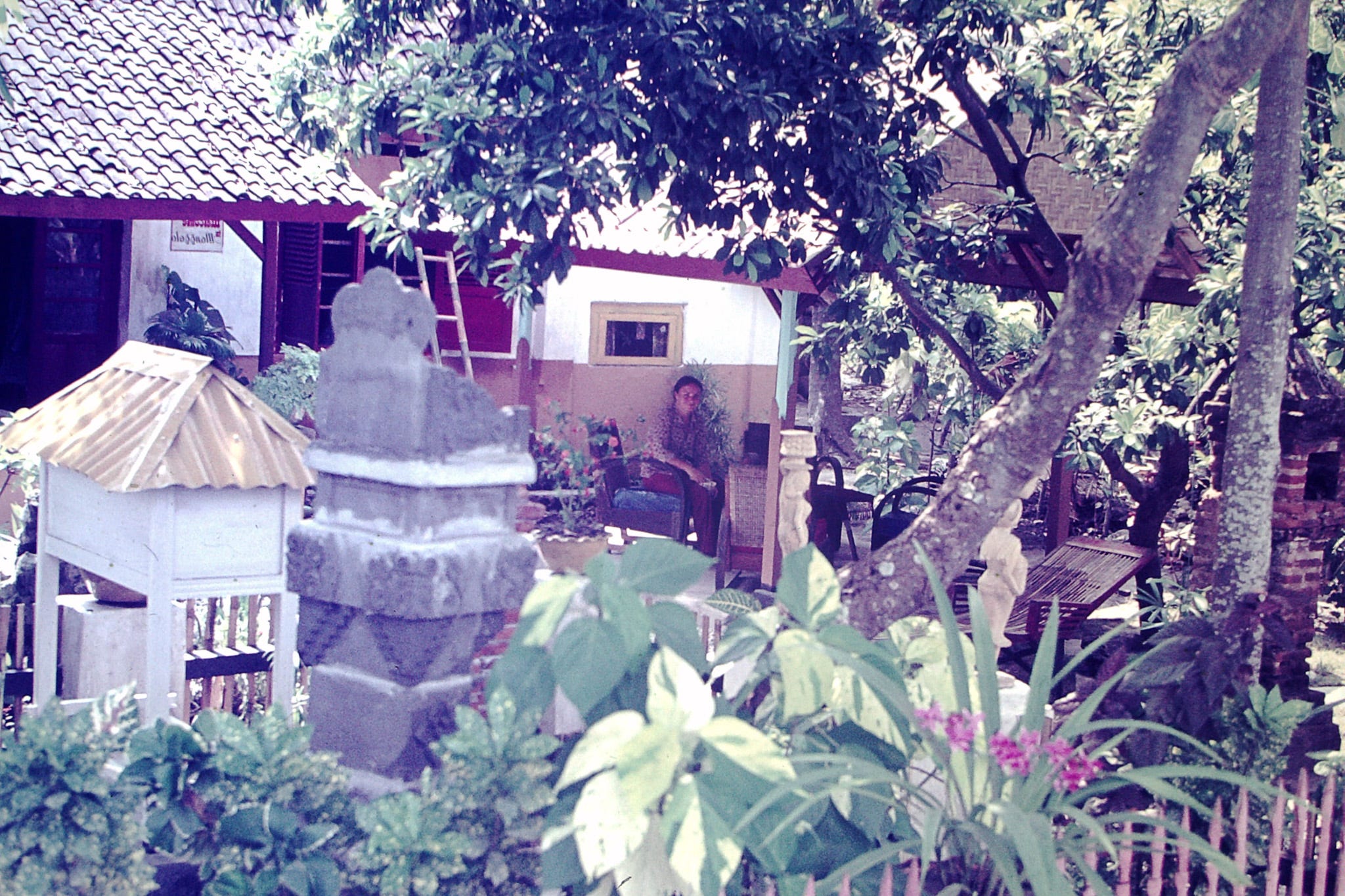
For us, better than I imagined. The costliest place was in Jakarta at 1000 rupiah per night, and the cheapest on Samosir at 300 rupiah. It’s probably averaged out around 600 rupiah—about 60 cents Australian per night each.
Rooms were always plain—a double bed or two singles. Sometimes a small table and chair. Electricity only in major centres, otherwise kerosene lanterns. Beds and pillows always hard, one sheet supplied, no blankets. Doors usually had provision for padlocking. Floors either concrete or floorboards, never any covering.
Can’t remember having any hassles with the management once the price had been settled. Our favourite place: Manggala at Lovina Beach on Bali. The worst: a toss-up between Sachorta at Klungkung (Bali) and Mutiara at Jambi.
Washing facilities: mandi—just a large tub or urn of water and a plastic saucepan to distribute it. Hot water showers are for Hilton Hotel standard only.
Toilets are squat level—a small hole to aim over, and two footpads to gauge accuracy. A bucket of water is supplied instead of toilet paper. Haven’t struck any bed bugs yet—only rats once.
Food
Ranged from good to inedible. Western food: out. Rice tends to always make up the main course. Mie Goreng (fried noodles) is a popular dish. Gado Gado—salad served with peanut sauce—is a favourite. Mie Sop from footpath stalls are good for a few cents.
We ate between warungs, rumah makans, sidewalk stalls, or by purchasing food from the markets. Some losmens had good menus. Restaurants were nearly always expensive.
Fruit was good—bananas only 5–10 rupiah each. Other delicacies like pancakes, vegetable soups, egg dishes were sometimes available.
To 90% of Indonesian people, a meal consists of a bowl of rice with a little dried fish and chilli. And that really is what their cooking is all about. Overall, I wasn’t that impressed. Some places it was good, but lots of others you had a real hard time trying to scab up a feed.
Because of the reputation of the water, about the only thing we drank everywhere was tea.
Towns and Scenery
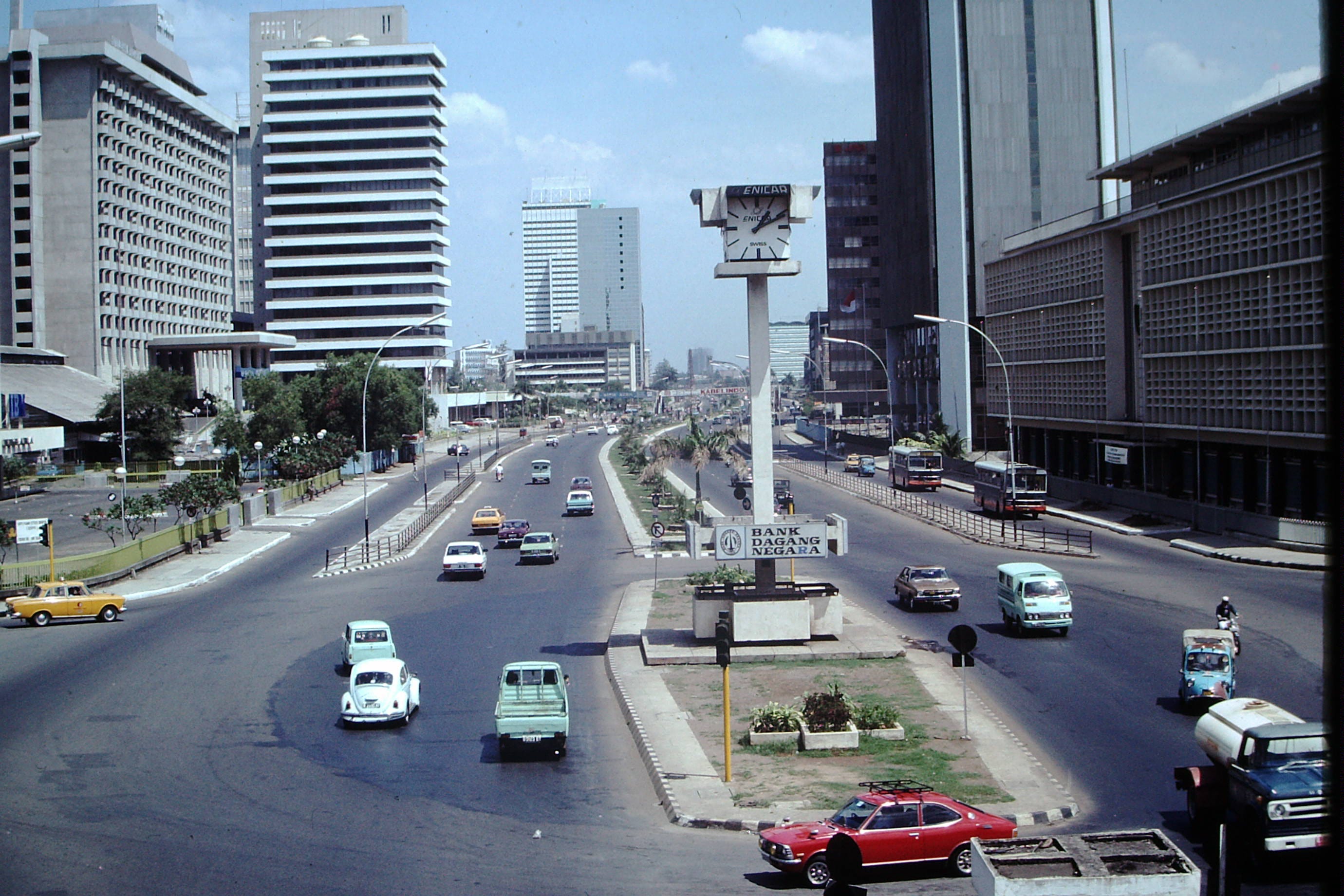
The towns were generally pretty grotty. Only Jakarta showed much Western influence, but it was horribly two-faced. Great piles of garbage, filth, and stinking open drains were the rule more than the exception.
But despite their grubby appearance, the cities do tend to have a lot of character—with becaks and bullock carts alongside Mercedes.
My personal favourite town was Bukittinggi. Yogyakarta wasn’t bad. Palembang was OK except for the people. Denpasar, because it was our first Asian city. Jakarta was one place I couldn’t get out of fast enough—as was Jambi and Medan.
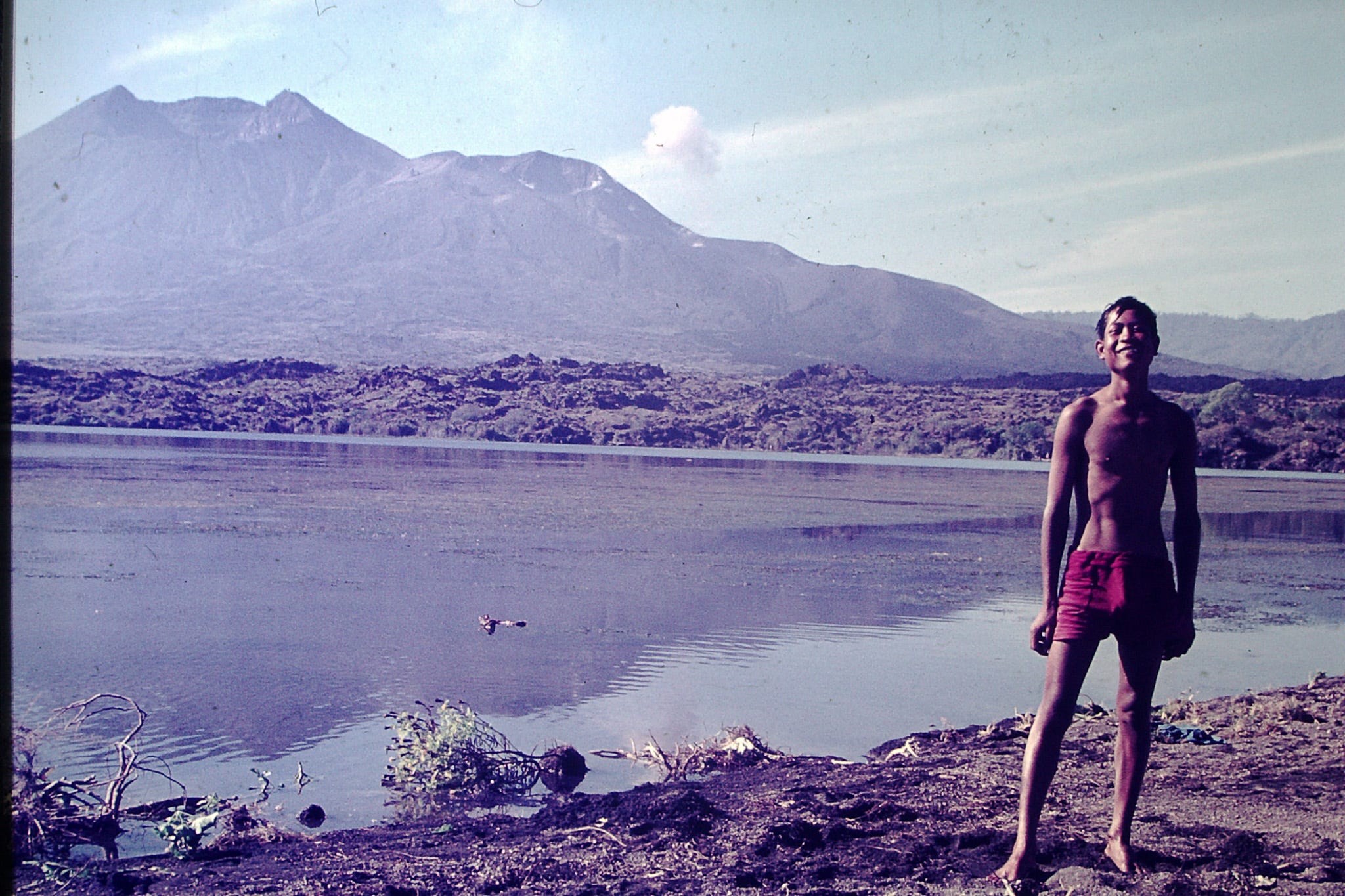
Scenery in Bali and Java—interesting if not spectacular. Travel brochures describe great chains of active volcanoes dissecting the countries, but they were usually rather boring conical-shaped hills. Beaches were A1.
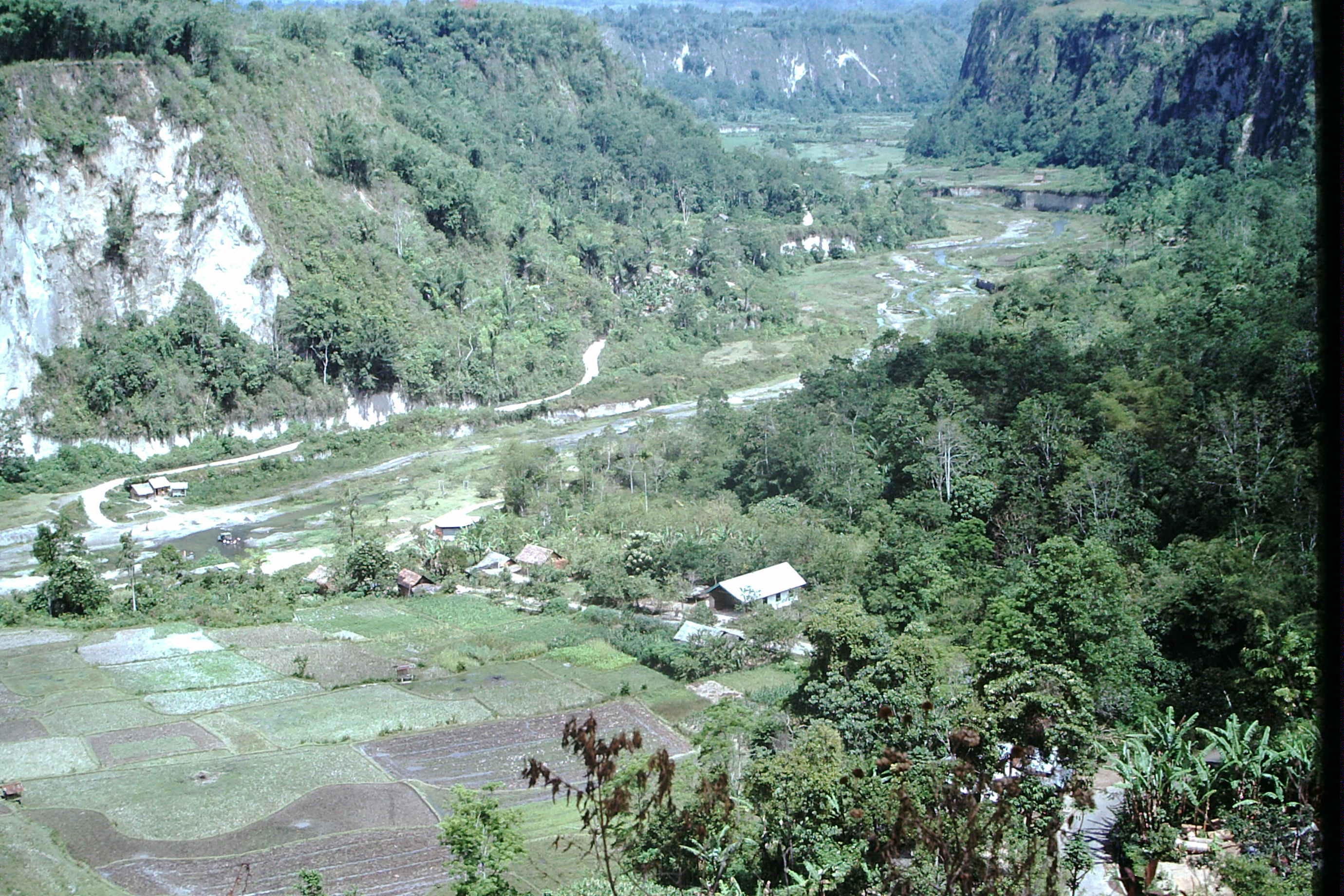
In Sumatra, the scenery takes on a more spectacular dimension—with dense tropical jungle, great areas of swamp, huge Amazon-like rivers, little high mountain roads dropping into deep valleys, and large tracts of forest.
Costs
Better than I imagined. Food and accommodation were cheap, as was public transport.
In just over 7 weeks, we spent $340 US—and $50 of that went to the passport office in one hit. So to eat, sleep, shop and travel from Bali to North Sumatra cost around $40 US a week—about $AUS 2.30 per day. That speaks for itself.
Well, that had better wind this summary up. Rather brief and patchy, but it will have to do.
Indonesia is a big country—over 13,000 islands, 130 million people. Seems to look after itself OK. It’s a dictatorship, but providing you don’t step out of line, things are pretty cool.
Heard a lot about corrupsi—glimpses of it now and then. It’s rather a complex problem, but if Indonesia is really going to push ahead, it’s got to rid itself of a privileged bureaucracy.
It’s a country where if you’re born poor, you’ve got a real struggle to get anywhere. Not a country of great opportunity. People lack a lot of capitalist ‘drive’, but that seems a part of their nature.
It’s an interesting society because of its great diversity. Would have to say it’s an enjoyable place to visit.
Can’t see it changing greatly in the near future. Just too many people, not enough money to go around.
Selamat Tinggal, Indonesia.
In the next entry, Rose and Alan travel to Penang, Malaysia, to continue their round-the-world trip. Subscribe and consider becoming a paying member to support our publication.